
What makes coffee "speciality"?
Speciality coffee is more than a label. Here is what the word means, from the farm and the cupping table to the cup on your table.
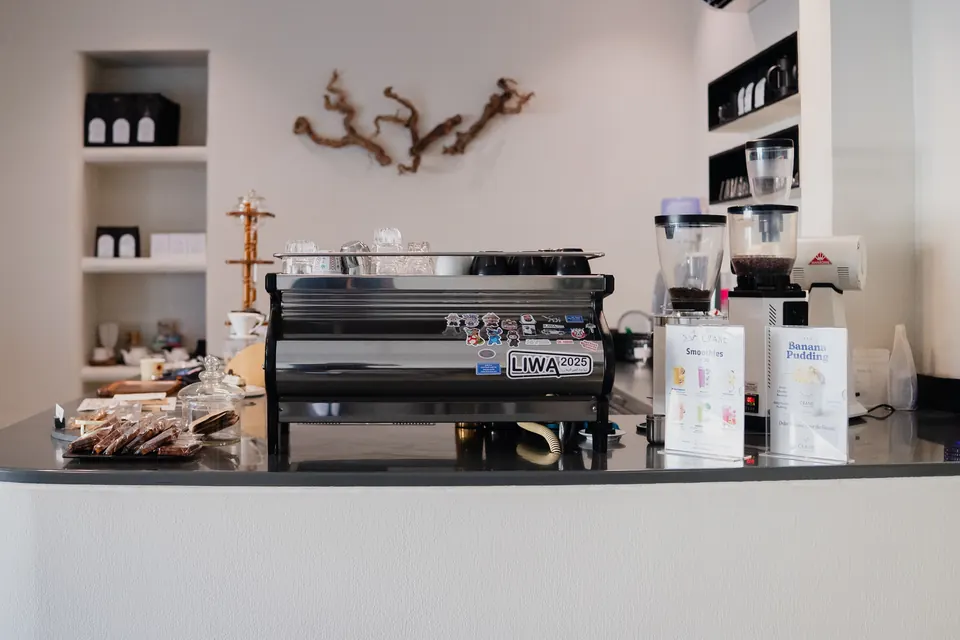
You will see the words "speciality coffee" on many café signs in Abu Dhabi, including ours. It is not just a marketing term: it describes coffee that has been judged, traced and handled to a high standard at every step.
It starts with a score
Green coffee is tasted by trained graders in a process called cupping, and scored out of 100 on qualities such as aroma, flavour, acidity, body, balance and aftertaste. Under the widely used Specialty Coffee Association scale, coffee that scores 80 points or more, with almost no defects, can be called speciality.
You can trace it
Speciality coffee usually comes with its story attached: the country, the region, often the farm or the washing station, the variety of the plant and how the cherries were processed. Washed, natural and honey processes all leave their own mark on the taste.
Freshness and roasting
Coffee is at its best within a few weeks of roasting. Speciality roasters roast in small batches and roast to bring out the character of each coffee, rather than to make every bean taste the same.
The last step is the barista
Even the best beans can be spoiled in the final minute. Grind size, dose, water temperature and timing all matter, and so does the milk. That is why, in speciality coffee, the barista matters as much as the bean.
Curious about what is in your cup today? Ask the team at any Crane café. We are always happy to talk coffee.